
The Bill Nobody Talks About Until Closing
You have run the mortgage numbers. You have budgeted for closing costs. You have factored in property taxes and heating. And then, two weeks before closing, your insurance quote arrives and the number is significantly higher than you expected.
It happens constantly, especially with buyers who are new to coastal Rhode Island or rural Connecticut properties. Homeowners insurance is one of the most misunderstood line items in a home purchase, and the costs can vary by thousands of dollars depending on the property's location, age, construction, and proximity to water.
This guide breaks down what buyers in Woodstock CT and Charlestown RI should expect to pay, what drives those costs, and how to avoid the surprises that derail budgets at the worst possible time.
Coastal Rhode Island: Where Water Changes Everything
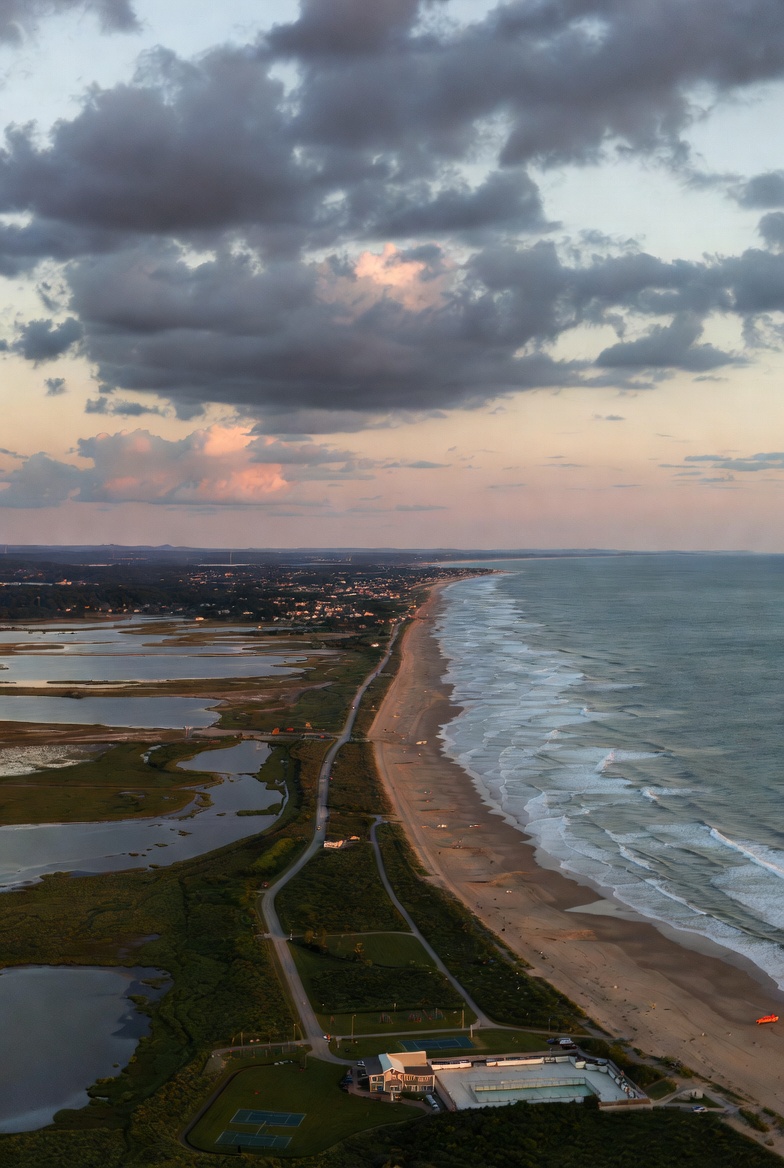
If you are buying in Charlestown RI, insurance is not a simple one-policy situation. Properties near the coast often require multiple layers of coverage, and understanding each one is essential to calculating your true carrying costs.
Standard Homeowners Insurance
A standard homeowners policy (HO-3) covers your home's structure, personal property, liability, and additional living expenses if the home becomes uninhabitable. In Charlestown, standard premiums for a year-round home typically range from $2,500 to $5,000 per year, depending on the home's value, age, construction type, and distance from the nearest fire station.
Factors that push premiums higher in coastal areas:
- Proximity to the ocean. Homes within a mile of the shoreline pay more due to wind and storm exposure
- Age of the home. Older cottages, especially those built before current building codes, cost more to insure
- Replacement cost. Post-pandemic construction costs have increased replacement values, which directly increases premiums
- Claims history. A property with prior claims, especially water damage claims, will carry higher premiums
Flood Insurance: The Required Layer
If your Charlestown property falls within a FEMA-designated flood zone, which includes most properties near the beaches, salt ponds, and low-lying coastal areas, your mortgage lender will require flood insurance. Even if your property is not in a designated flood zone, flood insurance is strongly recommended for any coastal home.
National Flood Insurance Program (NFIP): The federal program provides up to $250,000 in building coverage and $100,000 in contents coverage. Premiums vary based on your property's flood zone designation, elevation, and the building's characteristics. Under FEMA's Risk Rating 2.0 methodology, premiums are now calculated on a property-by-property basis rather than by zone alone.
Typical Charlestown flood insurance costs:
- Zone AE (high-risk coastal): $2,000 to $5,000+ per year
- Zone X (moderate to low risk): $500 to $1,500 per year
- Preferred risk policies: Available for properties with favorable elevation data
Private flood insurance is increasingly available as an alternative to NFIP. Private carriers sometimes offer higher coverage limits and lower premiums for properties with favorable risk profiles. Compare quotes from both NFIP and private carriers before deciding.
Wind and Hurricane Coverage
Standard homeowners policies in Rhode Island generally cover wind damage, but some carriers exclude or limit wind coverage for coastal properties. If your standard policy excludes wind, you will need a separate wind coverage policy, which adds $500 to $2,000 or more annually.
Check your policy carefully. The difference between "windstorm excluded" and "windstorm included with a separate deductible" is significant. Many coastal policies carry a separate wind/hurricane deductible of 2% to 5% of the home's insured value, which is substantially higher than the standard deductible.
Total Insurance Cost: A Charlestown Example
For a $550,000 home near the coast in Charlestown:
| Coverage | Annual Cost | |---|---| | Standard homeowners (HO-3) | $3,200 | | Flood insurance (Zone AE) | $3,000 | | Wind coverage (if excluded) | $1,200 | | Total annual insurance | $7,400 |
That is over $600 per month in insurance alone, which is a meaningful addition to your carrying costs. For buyers evaluating Charlestown as an investment property, these costs must be factored into your rental income projections to calculate accurate returns.
Rural Connecticut: Different Risks, Different Costs
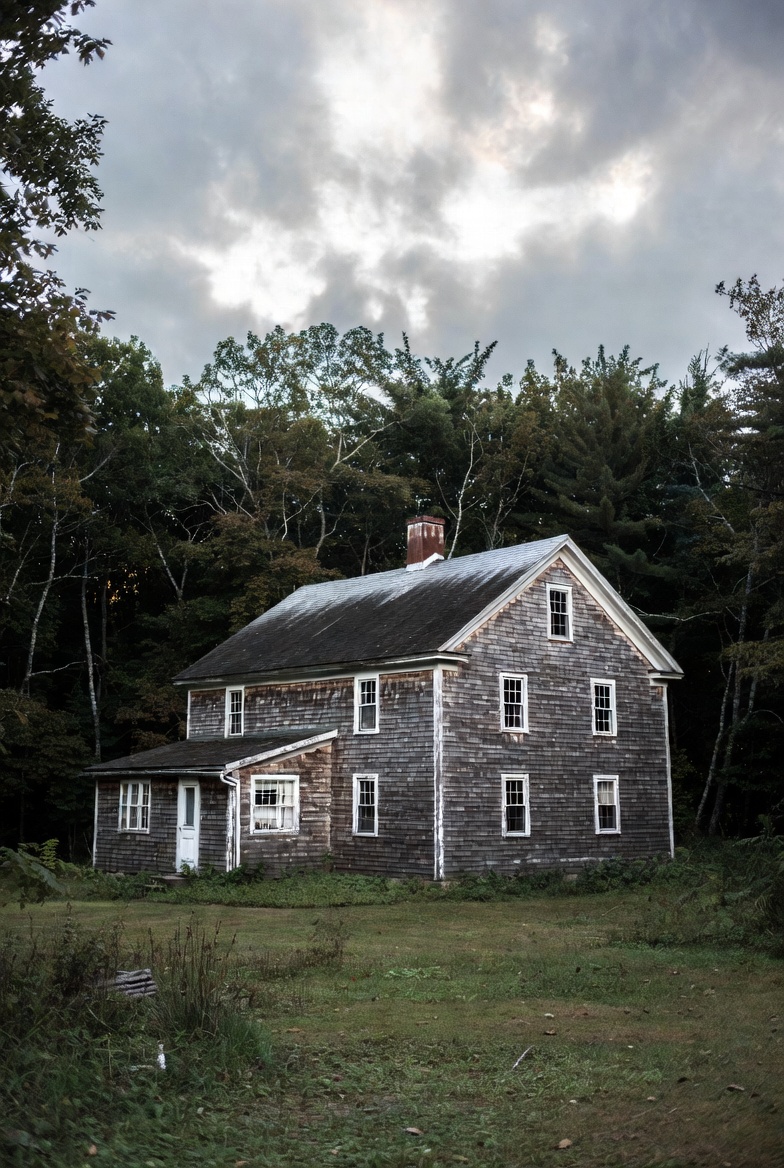
Insurance in Woodstock CT and the Quiet Corner operates on a different set of variables. Flood risk is generally low, but other factors unique to rural properties drive premiums in ways that suburban buyers may not anticipate.
Standard Homeowners Insurance
Rural Connecticut homeowners insurance typically runs $1,200 to $2,500 per year for a standard HO-3 policy. This is generally lower than coastal RI but higher than buyers from some other regions expect.
Factors that influence rural CT premiums:
- Distance from the fire station. Woodstock has a volunteer fire department, and response times to properties on remote roads can be longer than in suburban areas. Properties more than five miles from the nearest station pay higher premiums
- Age of the home. Historic homes with original wiring, plumbing, and heating systems cost more to insure. Updating these systems can result in significant premium reductions
- Heating system type. Oil heat and wood stoves carry higher fire risk ratings than gas or electric heat
- Property size and outbuildings. Barns, detached garages, and workshops add to the insured value and the liability exposure
- Well and septic systems. These add to the property's risk profile compared to homes connected to municipal water and sewer
Oil Tank Liability
This is the one that trips up Connecticut buyers. If the home has an oil-fired heating system, which is common in the Quiet Corner, the insurance implications depend on the tank's condition and location.
Above-ground tanks in the basement are standard and generally covered under your homeowners policy. However, older tanks (15+ years) may trigger surcharges or exclusion recommendations from some carriers. Replacing an aging oil tank ($1,500 to $3,000) can reduce your premium and eliminate a significant liability risk.
Underground tanks are a red flag for insurers. If the property has or ever had an underground oil tank, you need documentation of its removal and, ideally, a clean soil test. The environmental cleanup from a leaking underground tank can cost $10,000 to $100,000, and standard homeowners insurance does not cover environmental remediation. A separate pollution liability policy may be available for $300 to $800 per year.
Older Homes and the 4-Point Inspection
Insurers increasingly require what is called a 4-point inspection for homes over 30 years old before issuing a policy. This inspection evaluates:
1. Roof: Age, condition, and remaining useful life 2. Electrical: Type of wiring, panel condition, and capacity 3. Plumbing: Pipe material, condition, and water heater age 4. HVAC: Heating and cooling system type, age, and condition
If any of these four systems is severely outdated, the insurer may require upgrades before issuing coverage or will charge significantly higher premiums. Knowing this before you close helps you negotiate with the seller or budget for immediate improvements.
How to Save on Insurance
Regardless of whether you are buying in coastal RI or rural CT, several strategies can reduce your insurance costs:
Bundle Policies
Combining your homeowners and auto insurance with the same carrier typically saves 10% to 20% on both policies. If you are also insuring a boat, ATV, or other recreational vehicles common in these areas, bundling saves even more.
Increase Your Deductible
Raising your standard deductible from $500 to $1,000 or $2,500 reduces your annual premium by 10% to 25%. If you have sufficient savings to cover the higher deductible in the event of a claim, this is often the most cost-effective way to lower your bill.
Update Systems
Replacing knob-and-tube wiring, upgrading an old electrical panel, installing a new roof, or replacing an aging oil tank can each reduce your premium. In some cases, the insurance savings over 5 to 10 years offset a meaningful portion of the upgrade cost.
Install Protective Systems
Monitored alarm systems, smoke and CO detectors (hardwired, not battery), water leak detection systems, and generator hookups can all qualify for premium discounts.
Shop Around
Insurance premiums for the same property can vary by 30% to 50% between carriers. Get at least three quotes, and consider working with an independent insurance agent who represents multiple carriers. An independent agent can compare options across the market and find coverage that a single-carrier agent cannot offer.
What to Ask Before You Buy
Before making an offer on any property in Woodstock CT or Charlestown RI, get preliminary insurance quotes. Here is the information you will need:
- Property address and year built
- Square footage and construction type
- Heating system type and age
- Roof age and material
- Electrical system type (updated or original)
- Flood zone designation (for coastal properties)
- Distance from nearest fire station
- Claims history (ask the seller or check CLUE reports)
Your real estate agent can help you gather this information during the evaluation period. Knowing your insurance costs before you make an offer, not after, ensures that your budget is accurate and your decision is informed.
The Bottom Line
Insurance is not the most exciting part of buying a home, but getting it wrong can turn a smart purchase into a financial strain. In coastal Charlestown, where flood, wind, and standard coverage can combine to add $5,000 to $8,000 or more per year to your costs, understanding the full picture is essential. In rural Woodstock, where older homes, oil heat, and distance from fire services drive premiums, knowing what to expect helps you budget accurately.
The right time to discover your insurance costs is during your home search, not at the closing table.
Buying in Woodstock CT or Charlestown RI? MLD Realty helps buyers understand every cost of ownership, including insurance, before they make an offer. Contact us for guidance that goes beyond the listing price.