
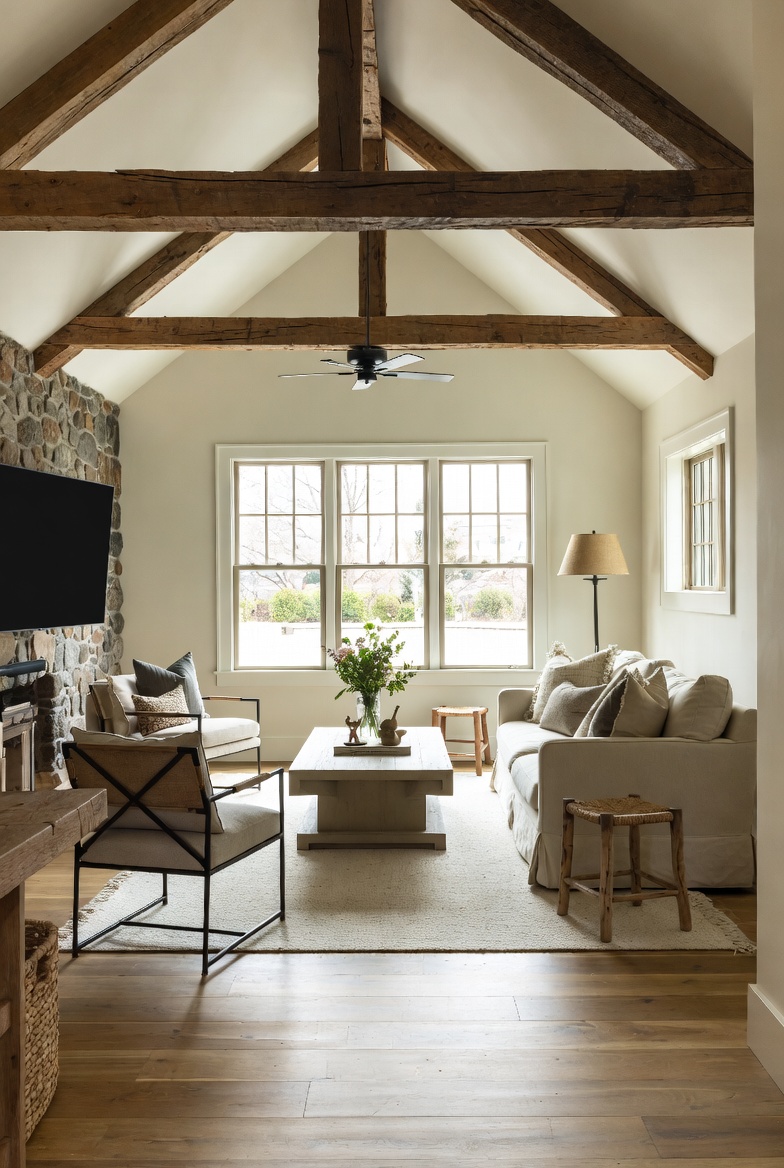
First Impressions Happen Online Now
Eighty percent of buyers start their home search on their phone. They are scrolling through listing photos on a screen smaller than a paperback, and they make a decision about your home in roughly three seconds. If the living room looks cluttered, the kitchen looks dark, or the primary bedroom looks like an afterthought, they swipe past and never look back.
Staging is the art of presenting your home so that those three seconds work in your favor. It is not about spending thousands on rented furniture or making your home look like something from a magazine. It is about removing distractions, highlighting strengths, and creating photos that stop the scroll.
In the Woodstock CT and Charlestown RI markets, where inventory is limited and well-presented homes move quickly, staging is one of the highest-return investments a seller can make.
The Data Behind Staging
The National Association of Realtors reports that staged homes sell for 5% to 15% more than comparable unstaged homes. On a $400,000 property, that is $20,000 to $60,000 in additional sale price. Staged homes also spend fewer days on the market, which reduces carrying costs and the risk of price reductions.
Perhaps more importantly, 82% of buyers' agents say staging makes it easier for their clients to visualize the property as their future home. In a market where buyers are emotionally invested in the idea of a "fresh start," staging bridges the gap between your life in the home and the buyer's imagined life there.
Room by Room: Where to Focus
You do not need to stage every room equally. Focus your energy and budget on the rooms that drive purchase decisions.
The Kitchen
The kitchen sells the house. More than any other room, the kitchen is where buyers imagine their daily lives, and it is where objections form fastest.
What to do:
- Clear all countertops except two or three intentional items (a cutting board, a simple fruit bowl, a stylish canister set)
- Deep clean everything: inside the oven, under the sink, the tops of the cabinets
- Replace outdated hardware. New cabinet pulls cost $3 to $8 each and take five minutes per handle. This single change can make dated cabinets look refreshed
- Ensure every light works. Add under-cabinet lighting if possible. Kitchens need to feel bright
- Remove personal items, magnets, children's artwork from the refrigerator, and anything pinned to a bulletin board
- If your countertops are dated but structurally fine, do not replace them. Stage around them with coordinating accessories
The Living Room
This is the room that sets the emotional tone. It should feel spacious, warm, and inviting.
What to do:
- Remove at least 30% of the furniture. Rooms always look smaller in photos than in person, and less furniture creates the illusion of more space
- Create clear pathways and obvious conversation areas
- Remove personal photos and swap in neutral artwork or leave walls clean
- Add throw pillows and a simple throw blanket in coordinating neutral tones
- Ensure window treatments are open and letting in maximum light
- If you have a fireplace, make it the focal point. Clean the hearth, stack a few logs, and arrange the furniture to frame it
The Primary Bedroom
Buyers want to see this room as their sanctuary. It should feel calm, clean, and restful.
What to do:
- Invest in a new comforter or duvet cover in white or a soft neutral. This is the single most impactful staging purchase you can make for a bedroom, and it costs $50 to $150
- Make the bed like a hotel. Crisp, layered, with matching pillows
- Remove all personal items from nightstands except a lamp and perhaps a single book or small plant
- Clear dresser tops completely
- Clean out the closet to 50% of its current contents. Buyers will look inside, and a half-full closet suggests ample storage. A packed closet suggests the home lacks it
Bathrooms
Clean is the only thing that matters in bathrooms. Beyond clean, aim for spa-like.
What to do:
- Deep clean grout, fixtures, and glass. Replace caulk if it is discolored or cracked. This costs $10 in materials and transforms the look of a bathroom
- Put out fresh, matching towels in white or a neutral color. Roll them or fold them neatly
- Remove all personal products from the shower and vanity. Put them under the sink or in a closet during showings
- Add a new shower curtain if the current one shows any wear
- Ensure the toilet seat is in good condition. Replace it if not. A new toilet seat costs $20 to $40
Outdoor Staging: The Rural Advantage
In Woodstock and Charlestown, the outdoor space is often as important as the indoor space. Buyers in these markets are purchasing a lifestyle, not just a house, and the exterior staging needs to reflect that.
Curb Appeal
Our guide to curb appeal projects covers this in detail, but the essentials are:
- Freshly mowed and edged lawn
- Trimmed shrubs and cleared garden beds
- Clean, swept walkways and driveway
- Seasonal plantings at the front door (potted flowers, a clean doormat)
- Clean or freshly painted front door
- Functioning exterior lighting
Outdoor Living Spaces
If you have a deck, patio, or porch, stage it as an additional living area:
- Set up a clean table and chairs as if you are about to have dinner outside
- Add potted plants or container gardens
- Remove anything utilitarian (grills can stay, but cleaning supplies, hoses, and yard tools should be stored)
- If you have a fire pit area, arrange seating around it with a stack of wood nearby
For Charlestown properties, staging outdoor spaces is especially critical during the spring and summer selling season. Buyers want to see themselves enjoying the coastal lifestyle, and a staged deck or patio with water views makes that vision tangible.
Barns and Outbuildings
In Woodstock, many properties include barns, workshops, or detached garages. These spaces should be:
- Clean and organized, not packed with decades of accumulated items
- Well-lit, so buyers can see the potential
- Presented with a clear use case: a workshop, a studio, storage, or animal shelter
A clean, organized barn suggests a well-maintained property. A cluttered, chaotic barn raises questions about what else has been neglected.
Photography: The Make-or-Break Factor
Staging without professional photography is like preparing a gourmet meal and serving it on a paper plate. The presentation matters, and in real estate, the photos are the presentation.
Professional real estate photography costs $200 to $500 for a typical shoot, and properties with professional photos receive 61% more online views than those with amateur photos. In a market where the first showing happens on a screen, this investment is non-negotiable.
Tips for maximizing photo quality:
- Schedule the shoot for a time when natural light is at its best (mid-morning for most homes)
- Turn on every light in the house, including lamps, under-cabinet lights, and exterior fixtures
- Open all blinds and curtains fully
- Remove vehicles from the driveway and front of the house
- Mow the lawn the day before, not the day of (fresh mowing lines photograph well)
- If possible, schedule the shoot on a clear day. Overcast skies make homes look flat in exterior photos
Virtual Staging for Vacant Properties
If your home is already empty, virtual staging is a cost-effective alternative to physical staging. A designer digitally adds furniture, rugs, and decor to your listing photos, giving buyers a sense of scale and livability. Virtual staging costs $100 to $300 per room and can be completed in 24 to 48 hours.
The key to effective virtual staging is realism. The furniture should look proportionally correct, the lighting should match the room, and the style should be appropriate for the home and the market. A Woodstock farmhouse staged with ultra-modern furniture looks wrong. A Charlestown cottage staged with heavy traditional furniture feels off. Match the staging to the property's character.
What Not to Do
Common staging mistakes that hurt rather than help:
- Over-staging. A house that looks like a catalog feels impersonal. Some warmth and lived-in quality is actually appealing. The goal is "this could be my home," not "this is a showroom"
- Strong scents. Candles, plug-in air fresheners, and baked cookies are transparent staging tricks that make savvy buyers suspicious. A clean home that smells like nothing is the goal
- Hiding problems. Staging should highlight, not conceal. Placing furniture over a damaged floor, hanging art to cover a wall stain, or staging around a major defect will be discovered during the inspection and erode trust
- Ignoring the exterior. In markets like Woodstock and Charlestown, the exterior is the first and last thing buyers see. Neglecting it invalidates everything you did inside
- Leaving personal items. Family photos, religious items, political displays, and hobby collections all make it harder for buyers to imagine themselves in the space. Pack these early
The Timeline: When to Stage
Start the staging process four to six weeks before your planned listing date. Here is a practical timeline:
- Weeks 6-5: Deep declutter. Remove 30% to 50% of belongings. Pack off-season items and donate or sell what you no longer need
- Weeks 4-3: Deep clean everything. Address minor repairs: dripping faucets, loose handles, scuffed walls, burned-out bulbs
- Weeks 2-1: Final staging touches. Fresh linens, coordinating accessories, outdoor plantings. Walk through with your agent for feedback
- Listing week: Professional photography. Final touch-up clean. Maintain the staged look for showings
If you are pricing your home accurately and staging it well, the spring 2026 market in both Woodstock and Charlestown is primed for strong results. Present the home at its best from day one, and let the market respond.
Ready to sell your home in Woodstock CT or Charlestown RI? MLD Realty provides comprehensive listing services, including staging guidance, professional photography, and market-based pricing strategies. Contact us to get started.