Where Kids Still Play Outside Until the Streetlights Come On
Except there are no streetlights. And that is kind of the point.
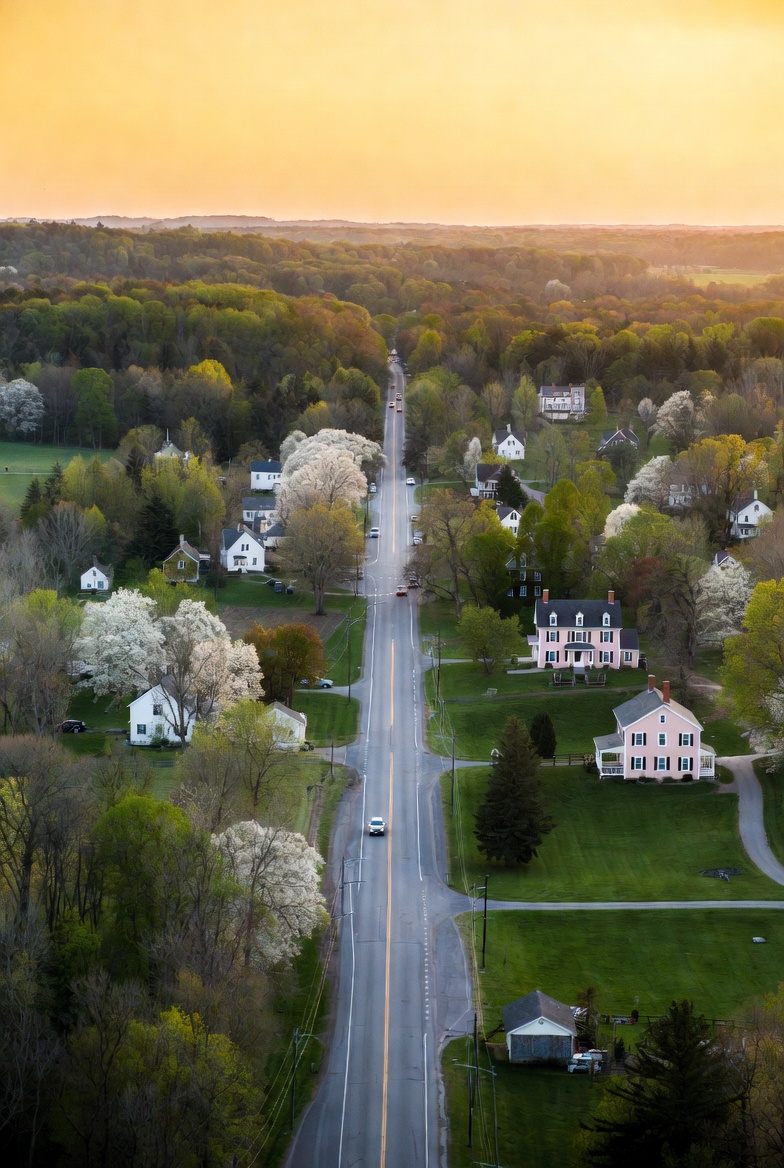
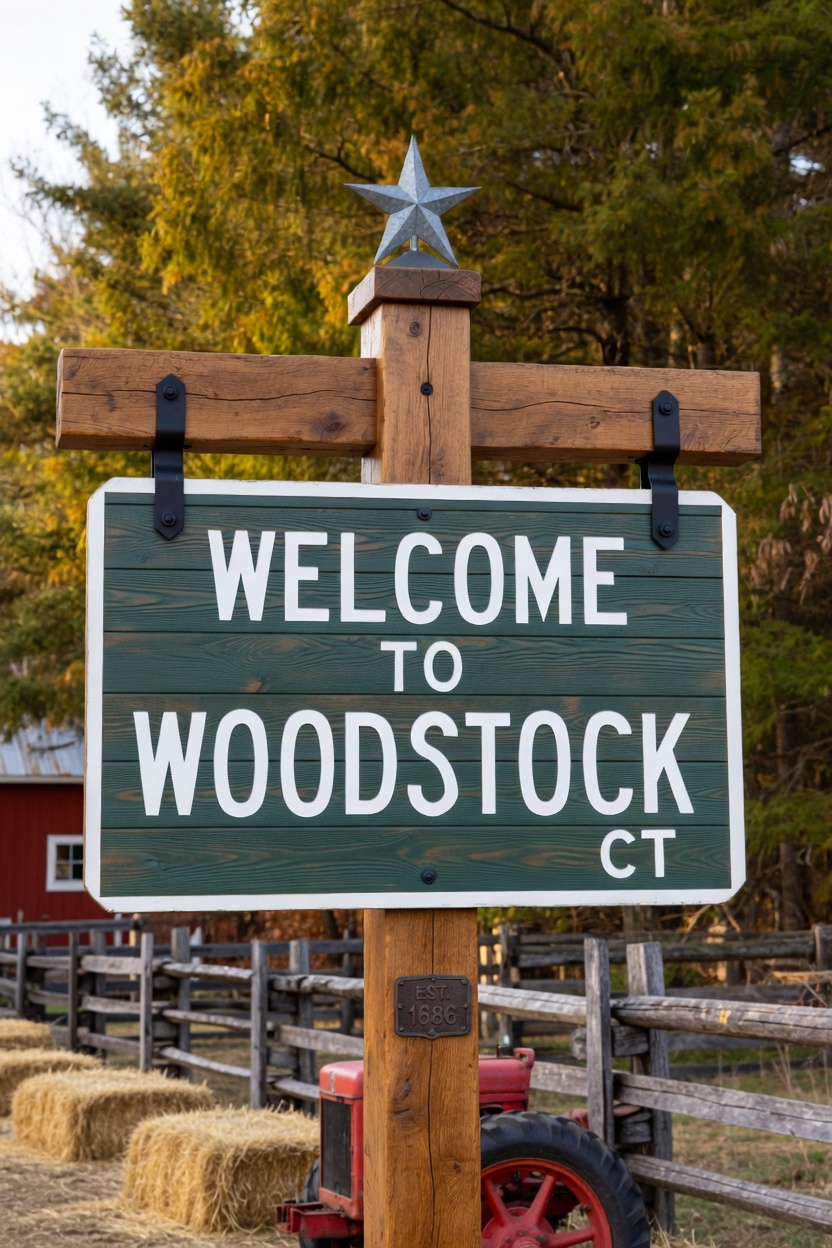
Woodstock, Connecticut sits in the northeast corner of the state, in a region locals call the Quiet Corner. It is a town of about 8,200 people spread across rolling hills, working farms, and forests crossed by stone walls that predate the country itself. Route 169, which runs through the center of town, is a designated National Scenic Byway, and driving it any time of year makes you understand why.
Families are finding Woodstock in increasing numbers, drawn not by any single feature but by the combination of things that are almost impossible to find together anywhere else: excellent schools, affordable housing on real acreage, a tight-knit community, and the kind of childhood that most parents remember but assumed no longer existed.
If you are raising kids, or planning to, and the idea of them growing up with space to explore, neighbors who know their names, and a school that treats them as individuals rather than data points sounds appealing, Woodstock deserves a serious look.
The Schools: Small by Design, Strong by Result
Woodstock Academy
This is the school that surprises people. Woodstock Academy is a semi-private academy that serves as the public high school for Woodstock and several surrounding towns. Founded in 1801, it is one of the oldest educational institutions in Connecticut, and its model is unlike anything you will find in the suburbs.
Students from Woodstock attend tuition-free, with the town covering tuition as it would for any public high school. But the experience feels closer to a private preparatory school. Class sizes are small, typically 15 to 20 students. The campus is beautiful, set on 30 acres with historic buildings and modern facilities. And the academic offerings go well beyond what most public schools can provide.
The Academy offers Advanced Placement courses across multiple disciplines, a robust arts program with dedicated studio spaces and performance venues, and competitive athletics that punch above the school's weight class. Students consistently score above state averages on standardized tests, and the college placement rate is strong, with graduates heading to schools ranging from state universities to selective liberal arts colleges and Ivy League institutions.
What parents mention most, though, is not the test scores. It is the culture. Teachers know students by name. Advisors track individual progress across all four years. The school feels like a community within a community, and students who transfer from larger suburban or urban schools consistently describe the difference as transformative.
Elementary and Middle School
Woodstock Elementary School serves students from kindergarten through eighth grade, with approximately 450 students across all grades. The small enrollment means teachers can provide individualized attention that is simply not possible in schools with 800 or 1,000 students per grade level.
The school emphasizes both academic fundamentals and experiential learning. The rural setting is not a limitation; it is an asset. Students participate in outdoor education, nature programs, and community-based projects that connect classroom learning to the world around them. Field trips might mean walking to a working farm down the road rather than boarding a bus for an hour.
Private School Options Nearby
Families who prefer private education have several nationally recognized options within a short drive:
- Pomfret School (10 minutes): A co-ed boarding and day school for grades 9-12 with a stunning 500-acre campus
- Rectory School (15 minutes, Pomfret): A co-ed junior boarding and day school for grades 5-9
- Marianapolis Preparatory School (15 minutes, Thompson): A Catholic college preparatory school for grades 9-12
The density of quality educational options in this part of Connecticut is remarkable for a rural area and is one of the key factors driving family relocation to the region.
The Space Factor
This is the thing that hits families hardest when they visit. The sheer amount of space.
In the Boston suburbs, $500,000 might buy you a three-bedroom colonial on a quarter acre with neighbors close enough to hear their conversations. In Fairfield County, that same budget gets you a modest ranch on a postage-stamp lot. In Woodstock, $500,000 buys you a four-bedroom home on three to five acres with a barn, a garden, and a backyard that disappears into the tree line.
The spring 2026 market data shows the Windham County median sale price at $360,000, which means a solid family home on acreage is accessible to buyers who would be priced out of comparable properties in nearly any metro-adjacent suburb.
For kids, the space translates directly into the kind of childhood that suburban families spend thousands of dollars trying to recreate through organized activities. Here, children build forts in the woods, catch frogs in the brook, ride bikes on quiet roads, and develop an independence and confidence that comes from being trusted to explore. The backyard is not a play structure on synthetic turf. It is the actual outdoors, and it is theirs.
Community: The Kind You Cannot Manufacture
The Woodstock Fair
If one event captures the spirit of family life in Woodstock, it is the Woodstock Fair. Held every Labor Day weekend, it is one of the oldest and largest agricultural fairs in Connecticut. Livestock competitions, tractor pulls, pie-eating contests, craft exhibitions, live music, and carnival rides spread across the fairgrounds for four days. Families come from across the region, but the Fair belongs to Woodstock. It is where your kids show the animals they have been raising all year, where your neighbors sell the jam they made from their own berries, and where the sense of community becomes tangible.
Year-Round Community Life
Beyond the Fair, Woodstock offers the kind of community engagement that suburbs try to create through HOA events but that happens naturally here:
- The Woodstock Farmers Market runs weekly during the growing season, with local produce, baked goods, and handmade crafts
- Youth sports leagues are community-run and inclusive, with an emphasis on participation and fun over hypercompetitive travel teams
- The Woodstock Library hosts programs for all ages and serves as a gathering place for families
- Local churches and civic organizations run events throughout the year, from pancake breakfasts to holiday festivals
- Roseland Cottage (also known as the Bowen House) is a National Historic Landmark in the center of town that hosts educational programs, seasonal events, and serves as a reminder of the town's deep history
Neighbors Who Show Up
There is a social dynamic in Woodstock that suburban transplants consistently find surprising: people actually help each other. When a tree falls across your driveway after a storm, your neighbor shows up with a chainsaw before you have finished putting on your boots. When a family has a medical emergency, the community rallies with meals, childcare, and whatever else is needed. The volunteer fire department, staffed by your neighbors, is the backbone of emergency services.
This is not nostalgia. It is current, ongoing, and one of the primary reasons families stay in Woodstock long after the kids have grown.
The Practical Side: What Families Need to Know
Getting Around
Woodstock is a car-dependent community. There is no public transit, no Uber, and the nearest grocery store is 10 to 15 minutes away in Putnam or Eastford. Families learn to batch errands and plan ahead, and most find the rhythm comfortable within a few weeks.
The trade-off is that there is virtually no traffic. Your commute to the grocery store is a scenic drive along country roads. School buses serve the entire town. And the elimination of the time you used to spend sitting in metro-area traffic often more than compensates for the planned trips.
For families with one or both parents working remotely, Woodstock is increasingly viable. Our guide to relocating to rural New England covers the internet availability question in detail, because it is the first thing every remote worker asks.
Healthcare
Day Kimball Hospital in Putnam (10 minutes from Woodstock center) provides emergency services, primary care, and many specialty services. For advanced care, Hartford Hospital and UConn Health Center are approximately 45 minutes away. Pediatric practices in the Putnam and Danielson area serve the Woodstock community, and wait times for appointments are generally shorter than in metro areas.
What Families Spend
The cost of living in Woodstock is meaningfully lower than in any metro-adjacent suburb:
- Housing: The biggest savings. A home that costs $350,000 here would cost $600,000 to $800,000 in the Boston suburbs or Fairfield County
- Property taxes: Windham County taxes are generally lower than Fairfield or Hartford County
- Childcare: Limited options but often more affordable than metro rates
- Activities: Youth sports, library programs, and community events are low-cost or free. No $300-per-season travel league fees
- Groceries and essentials: Comparable to state averages, slightly lower than metro areas
The net effect for most relocating families is significant monthly savings that can go toward college funds, travel, home improvements, or simply reducing financial stress.
The Move: What Families Get Right and Wrong
After helping many families relocate to Woodstock, here are the patterns we see:
What Works
- Visit in every season before buying. The town is beautiful year-round, but you need to experience a January blizzard and mud season before committing. If you love it in the hard months, you will love it always
- Get the kids involved. Attend the Woodstock Fair. Walk the trails. Visit the school. Let them see the ponds, the farms, the wide-open spaces. Kids adjust faster when they feel ownership of the move
- Connect with families already here. The Woodstock community is welcoming, and reaching out before you move makes the transition smoother for everyone
What Does Not
- Assuming suburban convenience will follow you. It will not. Embrace the planning and the slower pace rather than fighting it
- Buying too much property. Five acres sounds romantic until you are mowing, plowing, and maintaining all of it. For families with young kids, two to three acres is often the sweet spot
- Ignoring heating costs. Budget $2,000 to $4,000 per winter for an older home. This is real money that catches relocating families off guard
A Place Where Childhood Still Looks Like Childhood
There is a moment that nearly every family who moves to Woodstock experiences. It usually happens in the first few months. You are standing on your porch on a Saturday morning. The kids are somewhere in the yard, building something, chasing something, imagining something. The dog is with them. The only sound is the birds and, maybe, a distant tractor. And you realize that this is what you were looking for, even before you knew you were looking.
Woodstock is not perfect. It is not convenient in the way suburbs are convenient. But it offers something that convenience cannot buy: a place where families grow together, where children develop resilience and curiosity and independence, and where the community around you actually feels like one.
Thinking about raising your family in Woodstock? MLD Realty knows every road, every school, and every corner of this town. Contact us for a family-focused home search that matches your needs and your dreams.