The Dream Is Real, But So Are the Details
The shift toward remote work has fundamentally changed where people can live, and many are choosing places like Woodstock, Connecticut and Charlestown, Rhode Island. Connecticut posted the sixth-highest net gain of remote workers who relocated in recent years, with 9,853 more remote workers moving into the state than leaving. A significant number of them landed in the quieter, more rural towns of northeastern Connecticut, drawn by affordable housing, open space, and a pace of life that feels like the opposite of everything they were trying to escape.
If you are considering the move from a metro area to rural New England, this guide covers everything you need to know before you start packing. The practical details, the lifestyle adjustments, the financial considerations, and the honest trade-offs that nobody mentions in the glossy "escape the city" articles.
Internet: The First Question Every Remote Worker Asks
This is the make-or-break factor for anyone who works from home, and the honest answer is: it depends on the specific property. Some areas of Woodstock have fiber or reliable cable internet that can handle video calls, large file transfers, and multiple devices without breaking a sweat. Other areas, sometimes just a mile down the road, rely on DSL or fixed wireless connections that may not meet the demands of a full-time remote worker.
Before you fall in love with a farmhouse on 10 acres, verify what internet service is available at that exact address. Not the town, not the road, but the specific property.
Here is how to check:
- Ask the seller or listing agent about current service providers and actual speeds, not advertised speeds
- Check availability maps from major ISPs, but verify with a phone call because the maps are not always accurate in rural areas
- Consider Starlink as a backup or primary option. Many rural New England homeowners have added it as a reliable alternative, and speeds have improved significantly over the past two years
- If the property has no viable high-speed option, factor in the cost of a Starlink system (roughly $599 for equipment plus $120 per month) as part of your move-in budget
Working with a local real estate agent who understands these property-level details is invaluable. A good agent will know which roads have reliable service and which ones are still waiting for infrastructure upgrades.
Well Water and Septic Systems: A New Way of Living
If you are coming from a city or suburbs with municipal water and sewer, this may be entirely new territory. Most homes in rural Connecticut and many in Charlestown, Rhode Island are not connected to public utilities for water or wastewater. Instead, they rely on private wells and septic systems that sit right on your property.
This sounds intimidating to newcomers, but once you understand how these systems work, they become second nature. Millions of New England homeowners have relied on wells and septic for generations.
Well Water
Your water comes from a private well drilled into the bedrock or aquifer beneath your property. A pump brings the water up and into your home through a pressure tank system.
- Wells should be tested for bacteria, minerals, nitrates, and radon before purchase. This is a standard part of the buying process, and any thorough home inspection will include recommendations for water testing
- A typical well produces 3 to 5 gallons per minute, which is plenty for a household. Wells that produce less than 2 gallons per minute may need a storage tank or treatment system
- Well water quality varies. Some properties have pristine, clean water straight from the ground. Others may need a water softener, iron filter, or UV treatment system. These are common and affordable additions
- Wells occasionally need maintenance, such as pump replacement or pressure tank servicing, but a well-maintained system can last decades
- Many newcomers are pleasantly surprised by their well water. It often tastes better than the chlorinated municipal water they left behind
Septic Systems
Your wastewater is processed on-site through a septic tank and leach field buried in your yard. Solid waste settles in the tank, and liquid effluent flows into the leach field where it is naturally filtered by the soil.
- Septic systems need pumping every 3 to 5 years, which costs roughly $300 to $500 per service
- A properly maintained septic system can last 25 to 40 years or longer
- A failed septic system can cost $15,000 to $30,000 or more to replace, which is why getting a separate septic inspection before buying is absolutely essential
- Be mindful of what goes down the drain. Septic systems rely on beneficial bacteria to break down waste, so harsh chemicals, grease, and non-biodegradable items should be kept out
- Know where your leach field is located and avoid parking vehicles or planting trees over it
For buyers unfamiliar with these systems, this is one of the areas where a detailed home inspection pays for itself many times over. The inspection should include specific septic and well evaluations, not just a general check of the house.
Heating Your Home: Goodbye Natural Gas
Forget about natural gas pipelines. In rural New England, the gas grid simply does not reach most properties. Homes are heated using a variety of methods, and understanding your options before you buy helps you budget accurately and choose a home that aligns with your preferences.
Oil Heat
This is the most common heating method in northeastern Connecticut. You will have an oil tank, usually in the basement, and schedule deliveries from a local fuel company. Most homeowners sign up for automatic delivery so the tank never runs dry.
Budget $2,000 to $4,000 or more per winter depending on home size, insulation quality, and oil prices. A well-insulated 1,500 square foot home will cost significantly less than a drafty 3,000 square foot Colonial. Ask the seller for their annual fuel costs as part of your due diligence.
Propane
Common for newer homes and increasingly popular as a replacement for oil. Propane is used for heat, hot water, cooking, and fireplaces. You will have an above-ground or buried propane tank on your property, and a local supplier handles deliveries.
Wood and Pellet Stoves
Many homeowners supplement their primary heating system with wood heat. Cord wood runs $250 to $350 per cord, and most homes burn 3 to 5 cords per winter if using wood as a primary heat source. Pellet stoves offer a more automated alternative, with bags of compressed wood pellets fed into a hopper. Both options provide a warmth and ambiance that no forced-air system can match.
There is something deeply satisfying about splitting wood on an October afternoon, stacking it along the barn, and knowing you are prepared for whatever January brings. It connects you to the land and the seasons in a way that adjusting a thermostat never will.
Heat Pumps
Increasingly popular as a primary or supplemental heat source, especially mini-split systems. Modern cold-climate heat pumps can operate efficiently well below zero, and they double as air conditioning in summer. Many homeowners are adding heat pumps alongside their existing oil or propane systems to reduce fuel costs and improve comfort in specific rooms.
If you are considering downsizing to a smaller home in the area, newer and smaller properties often come with more efficient heating systems that dramatically reduce annual costs.
The Pace of Life: What Changes and What You Gain
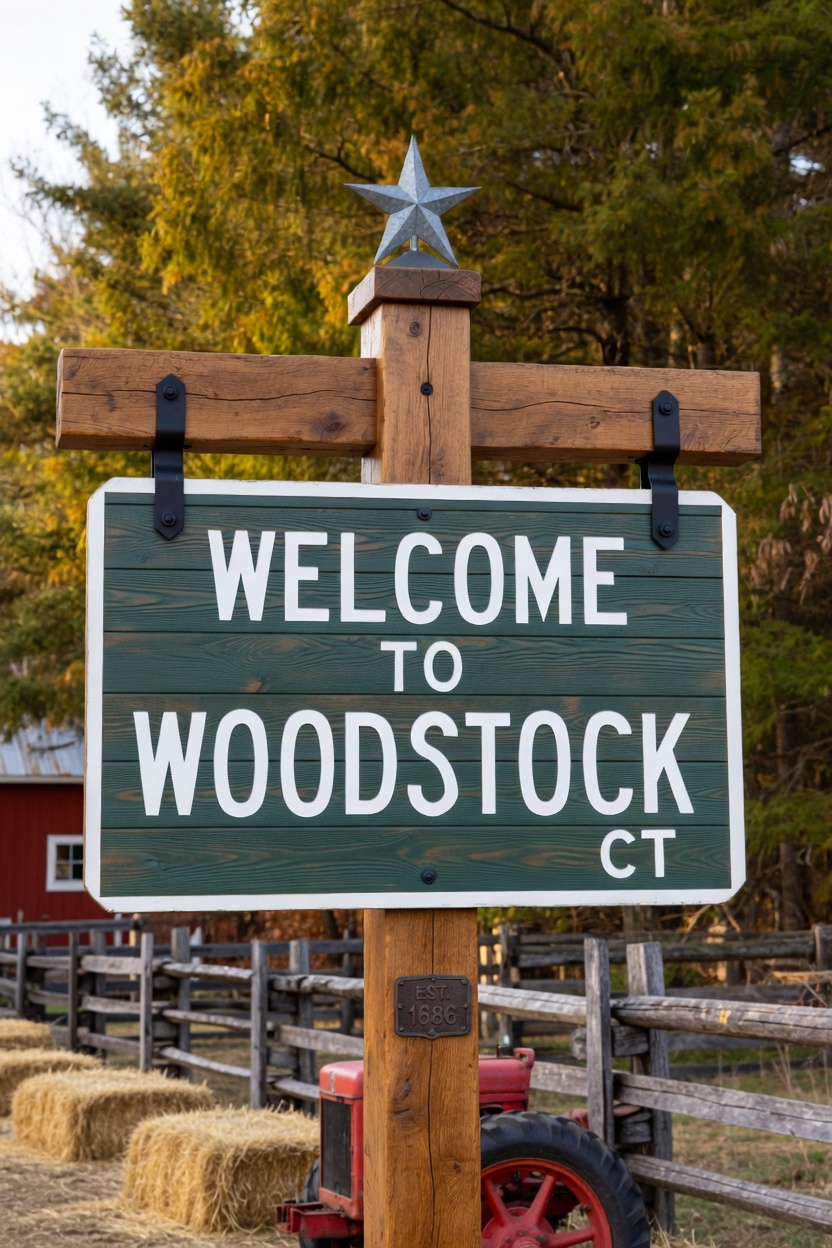
This is something no article can fully convey until you experience it. In Woodstock, you will wave to people on the road, even when you do not know them, because that is just what people do. You will know the person behind the counter at the general store by name within a month. The farmer down the road might drop off extra eggs in the spring. Your neighbors will check on you during a storm and show up with a chainsaw when a tree blocks your driveway.
The community in towns like Woodstock is real in a way that surprises people who have spent years in cities where they never learned their neighbors' names. Our neighborhood guide to Woodstock covers the specific areas, schools, and landmarks that define the town, but the intangible quality of belonging is something you have to feel for yourself.
The Trade-Offs
Every honest relocation guide needs to address what you are giving up along with what you are gaining:
- The nearest grocery store might be 15 to 20 minutes away, and there is no running out for one item on a whim
- There is no DoorDash, no Uber, and limited delivery options. Plan your errands and stock your pantry
- Snow removal is your responsibility. Many homeowners hire a plow service for $40 to $75 per storm, and you will want a snow blower for the walkways and porch
- Cell service can be spotty in certain valleys and wooded areas. WiFi calling at home solves this, but you may hit dead zones on back roads
- You will become very familiar with your local transfer station, which is what we call the dump. Curbside pickup is not a thing in most rural towns. You load your car, drive to the station, and sort your trash and recycling yourself. It sounds like a hassle, but it becomes part of your weekly routine, and you end up chatting with neighbors while you do it
- Medical specialists, big-box retail, and the airport are all 30 to 60 minutes away. You learn to batch your trips and plan ahead
What City Transplants Love Most
Consistently, people who make the move report the same things, and they report them with an enthusiasm that borders on evangelical:
- The quiet. No sirens, no traffic, no construction noise at 6 AM. The loudest thing you hear at night is the coyotes or the peepers in spring
- The space. Your kids can run. Your dog can roam. You can step outside and not see another building. You can breathe in a way that feels fundamentally different
- The cost of living. Your housing dollar stretches dramatically compared to Boston, New York, or the Providence metro area. The Woodstock market update shows a Windham County median sale price of $360,000, which buys you a house on acres of land rather than a cramped condo near a highway
- The community. Small towns rally around each other in ways that feel almost old-fashioned. From the Woodstock Fair to the local fire department's pancake breakfast, there are ways to connect that feel authentic rather than forced
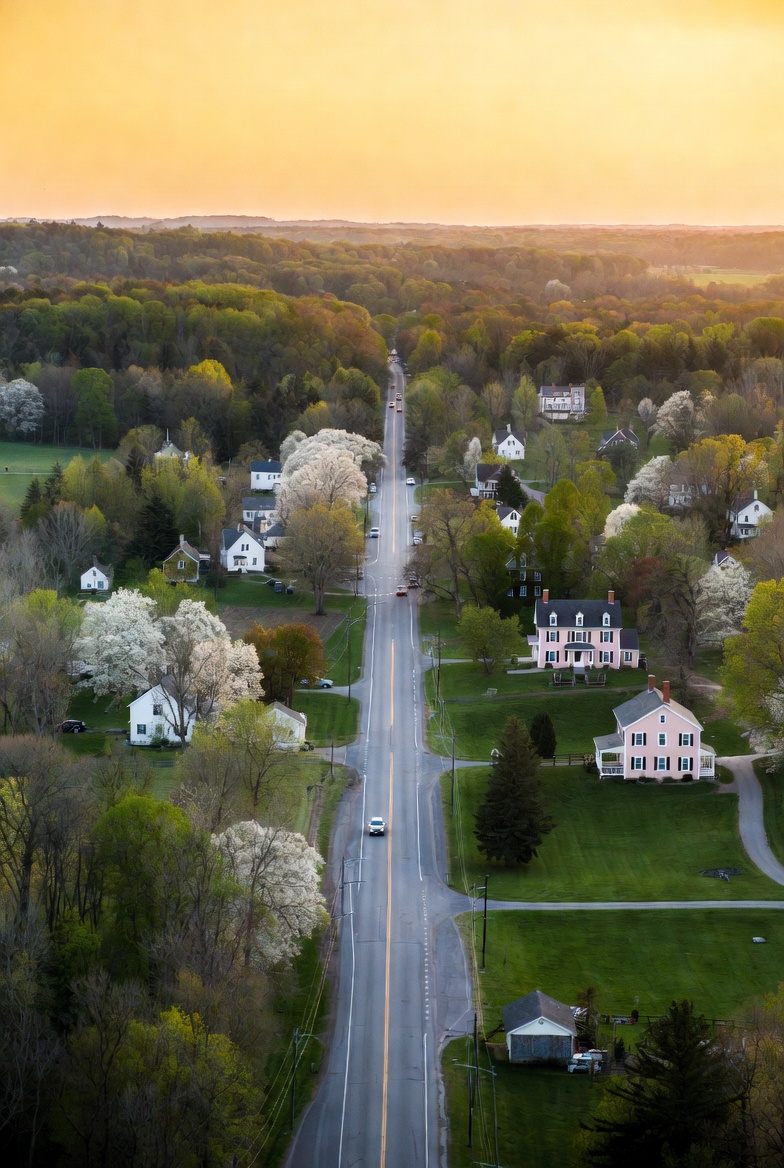
- The beauty. Stone walls running through forests, rolling hills covered in wildflowers, working farms with red barns, and starry skies that you forgot existed. Connecticut's Route 169, which runs through Woodstock, is designated a National Scenic Byway, and driving it on an autumn afternoon is worth the move all by itself
The Financial Picture: What Relocation Really Costs
Beyond the purchase price of your home, there are financial realities of rural living that you should plan for.
The Home Purchase
Windham County, where Woodstock is located, has an average home value of $315,518, up 3.7% year over year. Woodstock itself trends higher, with a median listing price around $578,000, reflecting the town's larger lots, historic character, and premium location along Route 169. But plenty of solid homes are available in the $300,000 to $450,000 range, especially if you are open to properties that need cosmetic updates.
If you are a first-time buyer, programs like the CHFA Time To Own program offer up to $50,000 in forgivable down payment assistance, and more than $37 million in funding remains available as of early 2026. These programs can make the transition from renting in a city to owning in rural Connecticut surprisingly affordable.
Ongoing Costs
- Property taxes in Windham County are generally lower than in Fairfield or Hartford County, but they are still a meaningful annual expense. Budget based on the specific town and property
- Heating is a real cost. Plan for $2,000 to $4,000 per winter depending on your home and heating method
- Vehicle expenses go up because you drive everywhere. A four-wheel-drive vehicle is not optional if you plan to survive mud season and winter storms
- Home maintenance on rural properties is more involved than suburban homes. Longer driveways, larger yards, aging barns, and well and septic maintenance all require time and money
Closing Costs
Both Connecticut and Rhode Island have specific closing costs that differ from what you may be used to. Connecticut requires an attorney at closing, which typically runs $750 to $1,250. Conveyance taxes in CT are 0.75% on the first $800,000, with a municipal tax of 0.25% to 0.50% on top. Our detailed guide to closing costs in CT and RI walks through every line item so there are no surprises.
Charlestown as an Alternative: Coastal Rural Living
Not every relocator is drawn to the woods and farmland. If your vision of rural New England includes salt air, beaches, and the sound of waves, Charlestown, Rhode Island offers a coastal version of the same escape.
Charlestown has no stoplights, roughly 7,800 residents, and miles of undeveloped shoreline. The average home value sits at $617,861, up 5.0% year over year, reflecting strong demand from both seasonal buyers and year-round residents. The community guide to Charlestown covers everything from the beaches to the school district.
What makes Charlestown appealing to relocators is the combination of natural beauty, genuine community, and investment potential. If you purchase a home near the coast, summer rental income can significantly offset your carrying costs while you enjoy the property the rest of the year.
The lifestyle in summer is exceptional. Our guide to summer living in Charlestown covers the beaches, the Seafood Festival, Frosty Drew Observatory, and all the details that make the warm months here feel like a permanent vacation.
Real Estate Tips for Relocators
After helping many buyers make the transition from metro areas to rural New England, here are the most important pieces of advice we can offer:
Visit in Winter Before You Buy
The area is stunning in fall, and spring and summer are gorgeous. But you need to know if you can handle a New England winter. Drive the roads in February. See what the property looks like under two feet of snow. Check whether the driveway is plowable. Experience the short days and the cold. If you love it in January, you will love it in every other season.
Budget for a Four-Wheel-Drive Vehicle
Snow, mud season, and gravel roads are not occasional inconveniences. They are facts of life for four to five months of the year. A reliable four-wheel-drive or all-wheel-drive vehicle is essential, not optional.
Get a Thorough Home Inspection
Older homes are common in this area, and they come with unique considerations that inspectors in suburban markets may not be familiar with. Fieldstone foundations, knob-and-tube wiring, hand-hewn timber frames, and aging mechanical systems all require an inspector who knows what to look for. If you are drawn to historic homes in northeastern Connecticut, working with an inspector who specializes in antique properties is especially important.
Work With a Local Agent
This cannot be overstated. In small-town markets, the agent who knows every back road, every neighbor, and every quirk of the local market will save you from mistakes that a general agent simply cannot anticipate. They know which properties have reliable internet, which roads flood in spring, and which "charming fixer-upper" is actually a money pit. Our guide to why a local realtor matters explains this in detail.
Start With the Community, Not the House
Visit the town commons. Eat at the local restaurants. Walk the trails. Attend a community event. Talk to people who already live there. You are not just buying a house. You are buying into a way of life, and making sure that way of life fits you is more important than granite countertops or the number of bedrooms.
Making the Decision
Relocating to rural New England is not for everyone, and that is perfectly fine. The people who thrive here are the ones who value space over convenience, community over anonymity, and natural beauty over urban entertainment. They are the ones who look at a stone wall running through an old-growth forest and feel something stir inside them. They are the ones who want their kids to grow up knowing the sound of a brook rather than a bus.
If that sounds like you, the practical details in this guide are all manageable. The internet question has solutions. The well and septic systems are learnable. The heating costs are budgetable. The real question is whether the life you want is waiting for you on a dirt road in Connecticut or a quiet lane near the Rhode Island coast.
For most of the people we have helped make this move, the answer has been a resounding yes.
Thinking about making the move? MLD Realty helps relocators find the right property in Woodstock CT and Charlestown RI. Contact us for a personalized introduction to the area.